
Photographing a Sense of Place: Architecture to Its Surroundings
One of the first things I ask myself when approaching a new architectural or interior photography project is what makes the property unique, and more importantly, why certain design decisions were made. Understanding the major elements of a project gives me a starting point for developing a photographic direction, establishing the mood, and determining what deserves the most attention.
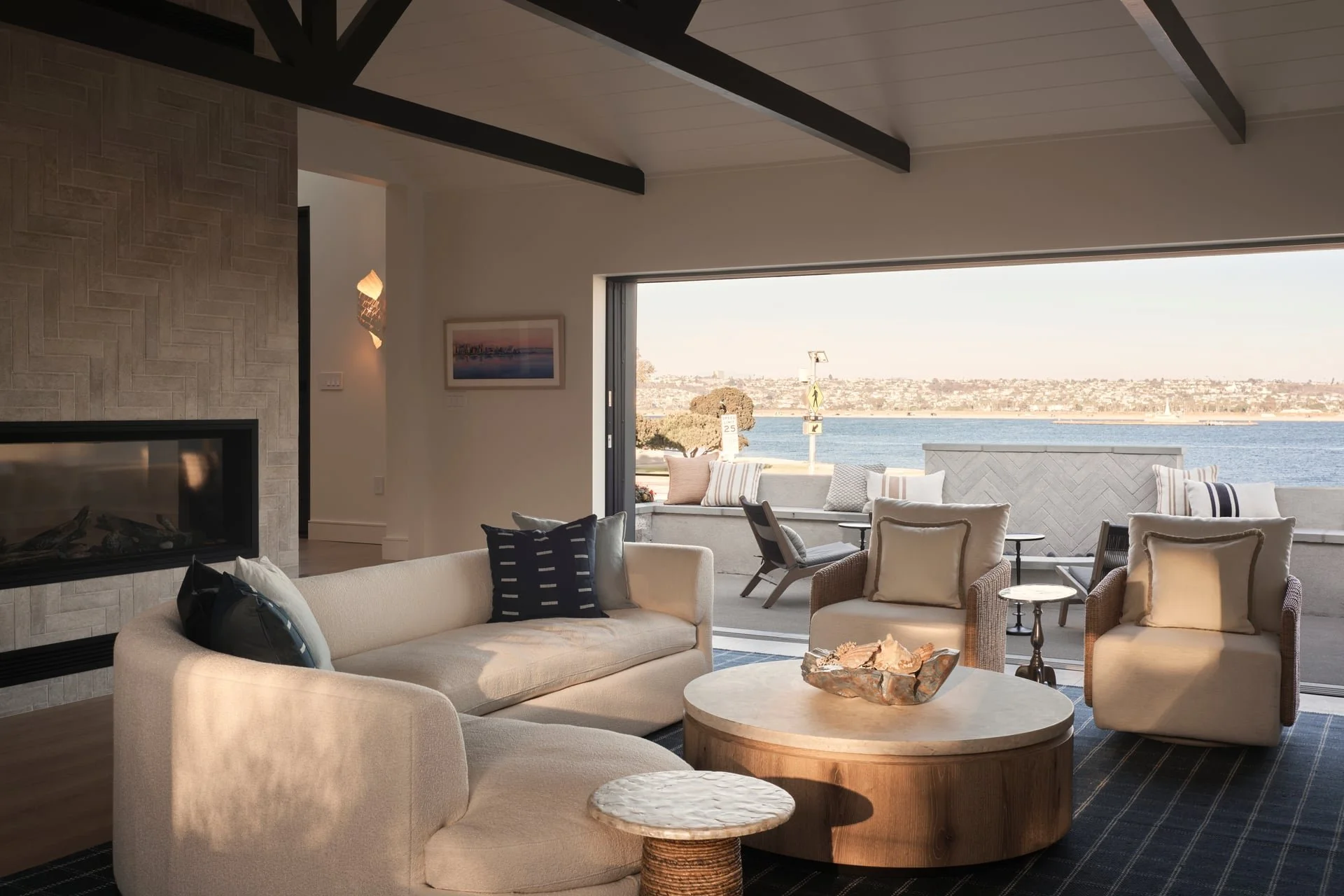
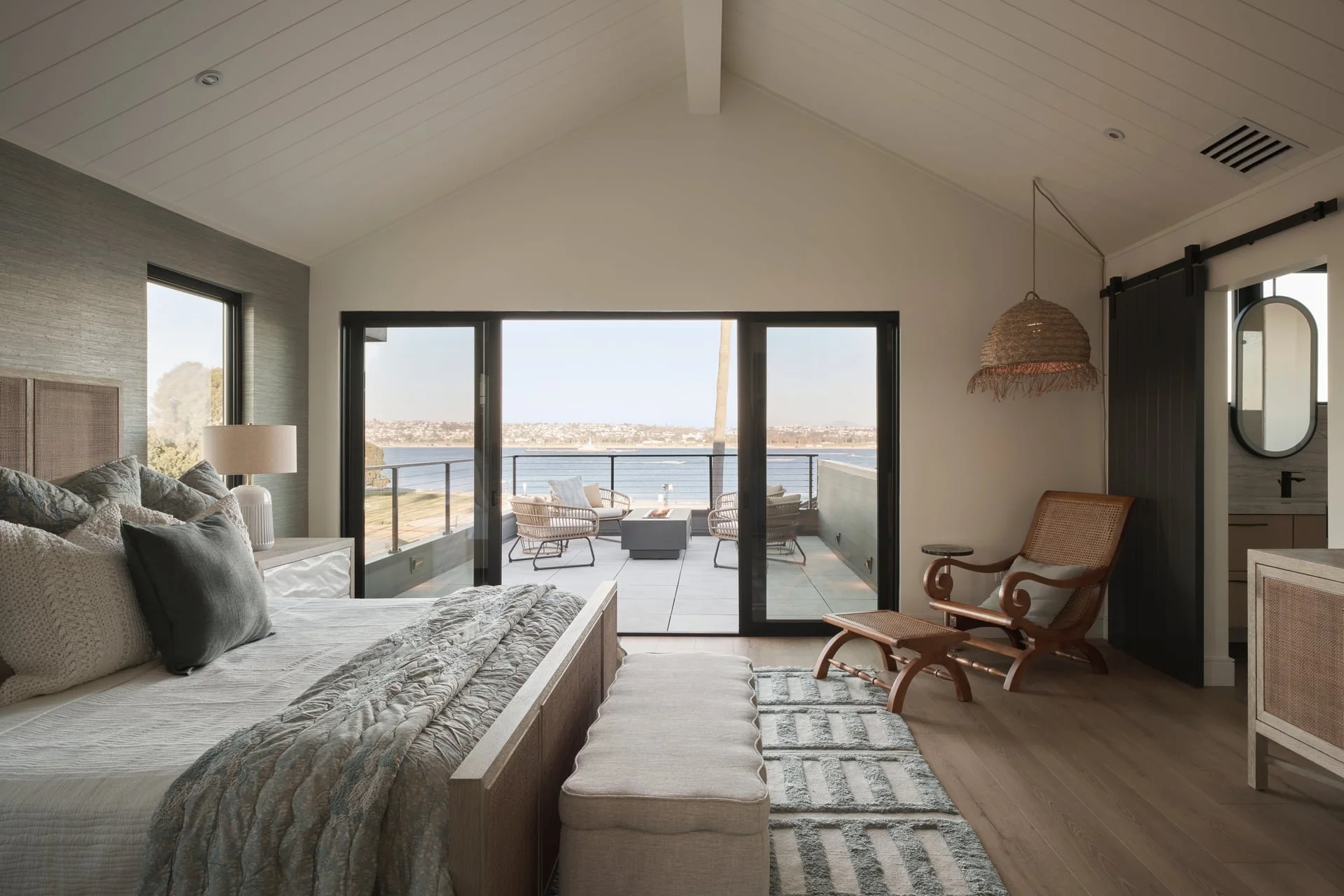
For this project in Crown Point, San Diego, designed by Stefani Botticelli of Bott Design alongside architect Scott Frontis, the answer was immediately apparent. This was a home built around its location. Situated directly along the beach, the relationship between the interior spaces and the surrounding coastline was central to the experience of the property.
Rather than simply documenting the rooms individually, I wanted to find ways to communicate that relationship throughout the photographs. The challenge was making the beach feel like an extension of the interior rather than simply a view through a window.
Understanding What Makes a Project Unique
Before photographing a project, I spend time identifying its most significant design elements and considering the decisions behind them. I also make a point of discussing my initial thoughts with the designer to ensure that my photographic direction aligns with their vision and the identity they want to communicate.
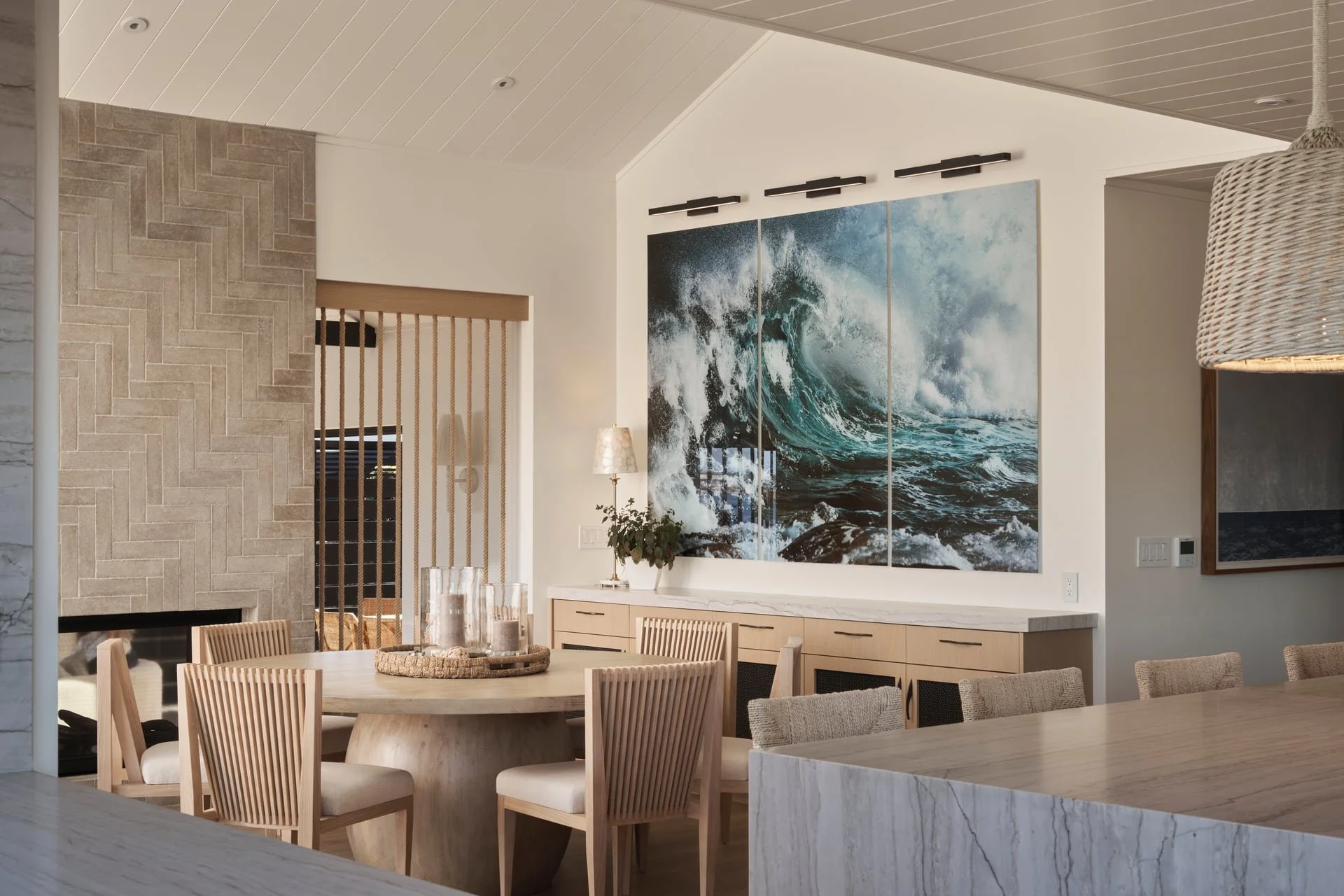
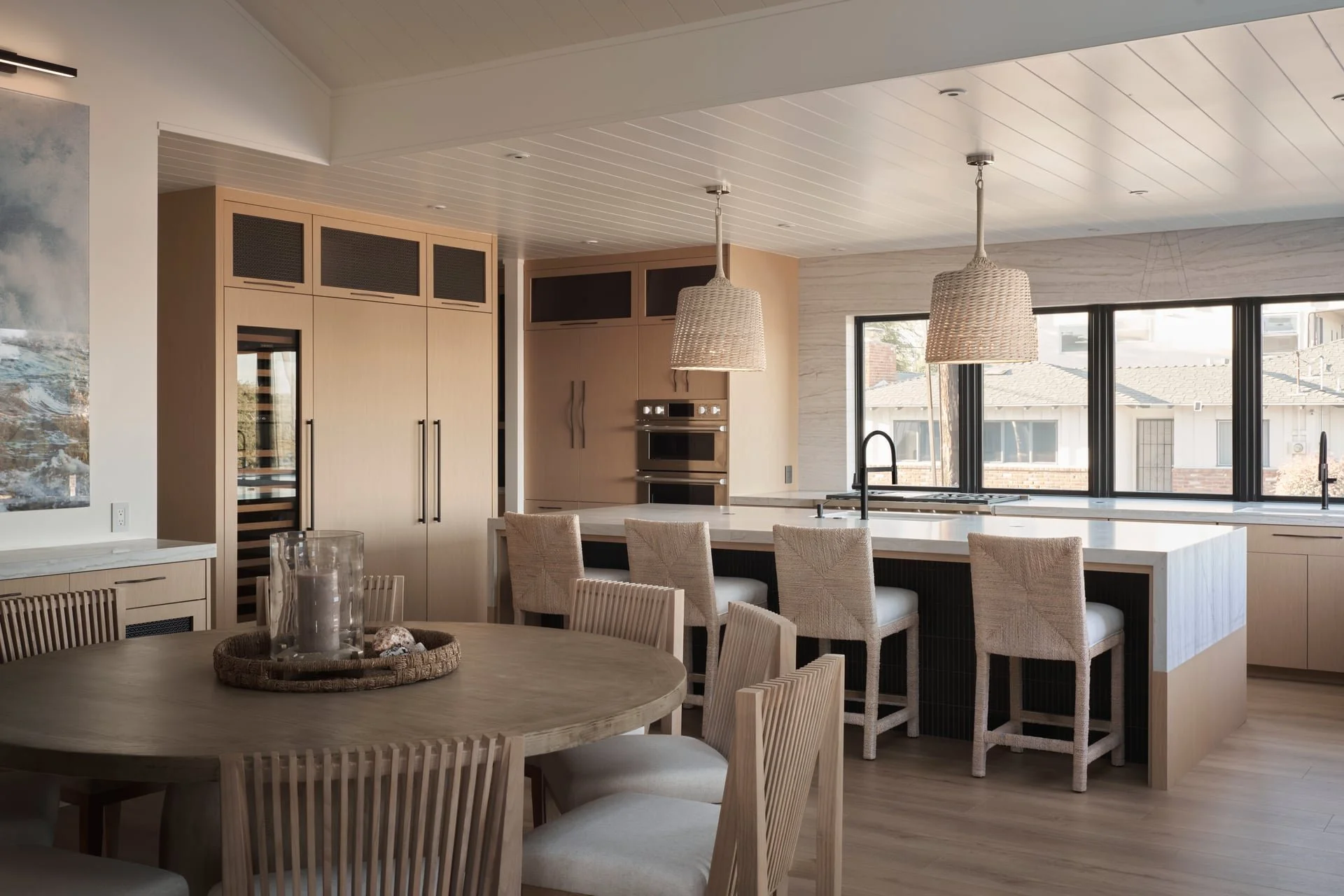
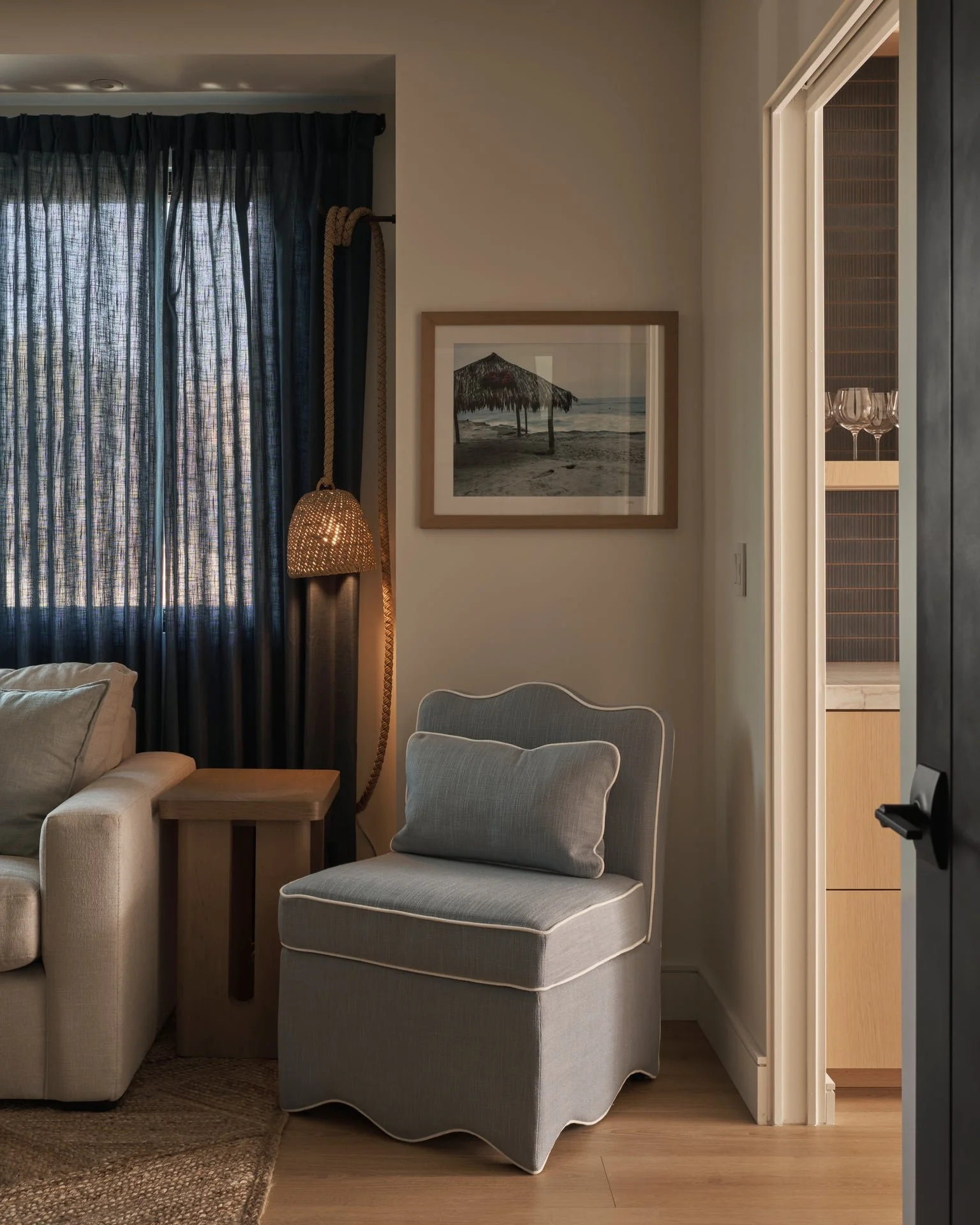
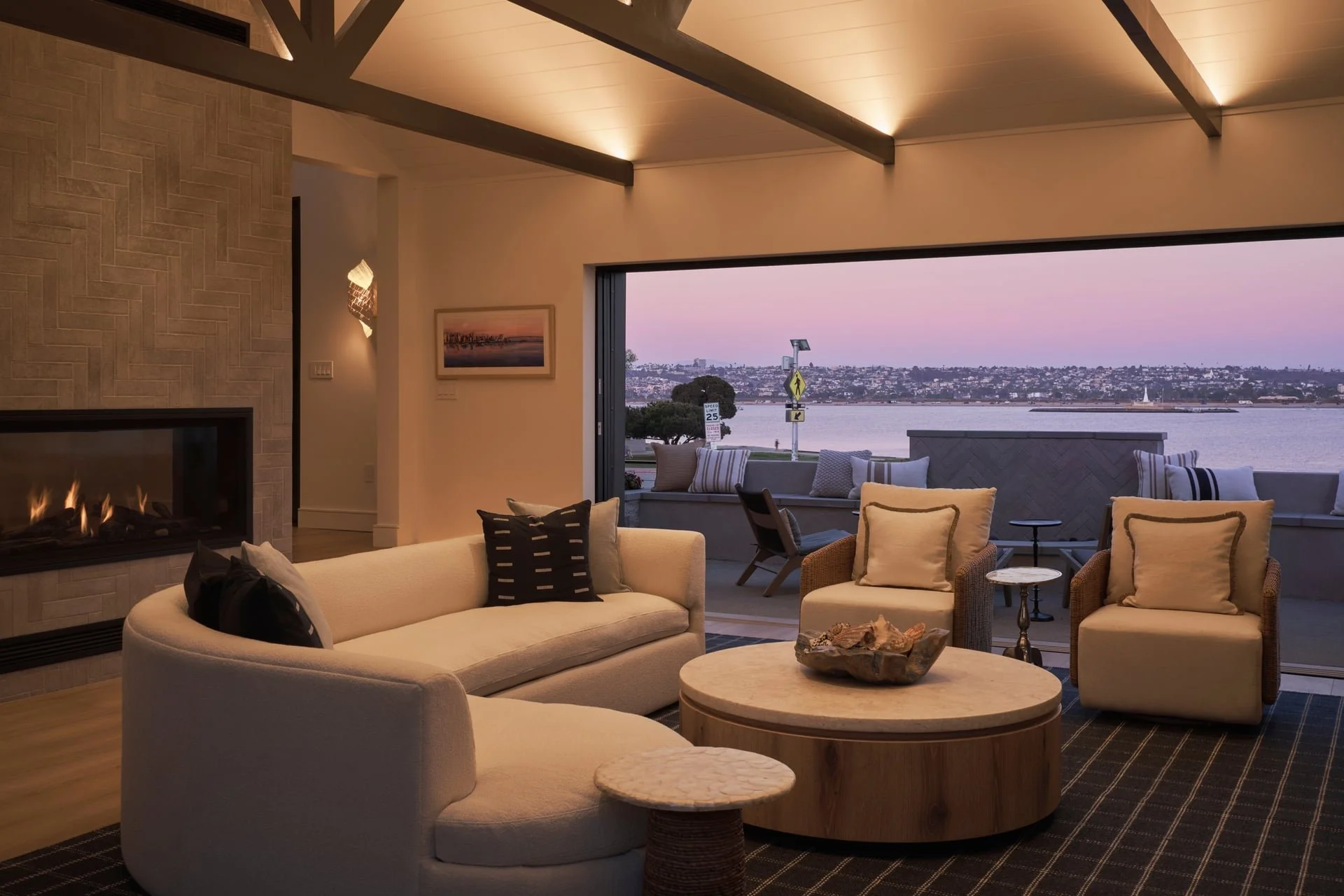
In this case, the connection to the water became the guiding principle for much of the shoot. The home had several architectural features that encouraged interaction with the outdoors, including fully pocketing sliding doors and windows that allowed large sections of the walls to open completely.
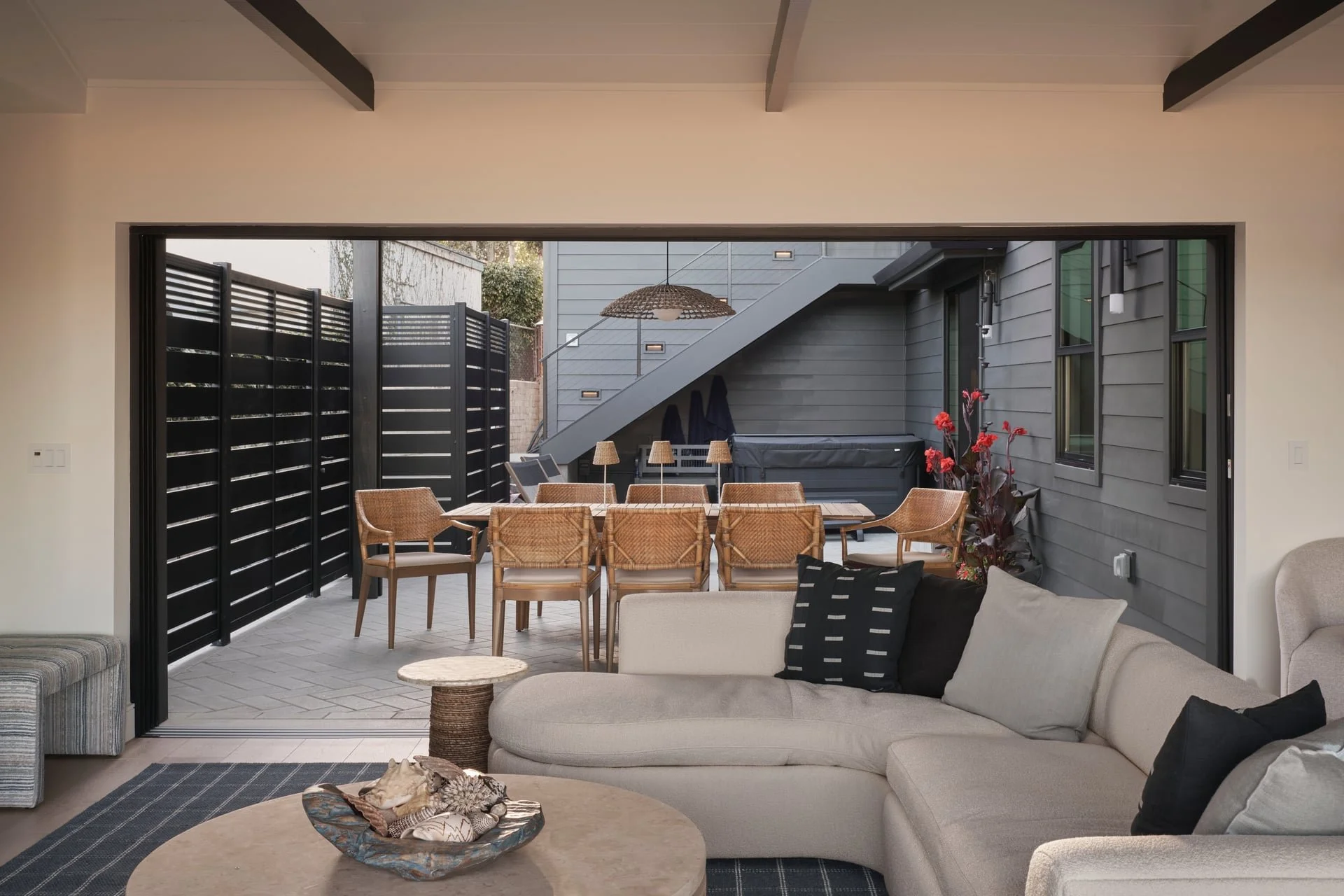
In the kitchen, a pocketing window opened toward the water, with a bar and seating positioned just behind it. In the living room, large sliding openings connected the interior directly to the beach, while additional pocketing doors on the opposite side opened toward a courtyard and outdoor dining area.
When these openings are fully retracted, the distinction between the interior and exterior becomes remarkably subtle. Rather than treating these features as individual architectural details, I wanted to photograph them in a way that communicated how they worked together.
Sometimes Showing Less Creates a Stronger Photograph
One of the more deliberate decisions I made throughout this project involved my choice of focal length and composition.
When photographing interiors, there is often an emphasis on showing as much of a room as possible. Wider focal lengths can be incredibly useful for communicating the layout and scale of a space, but they aren't always the best choice for telling the story of a particular property.
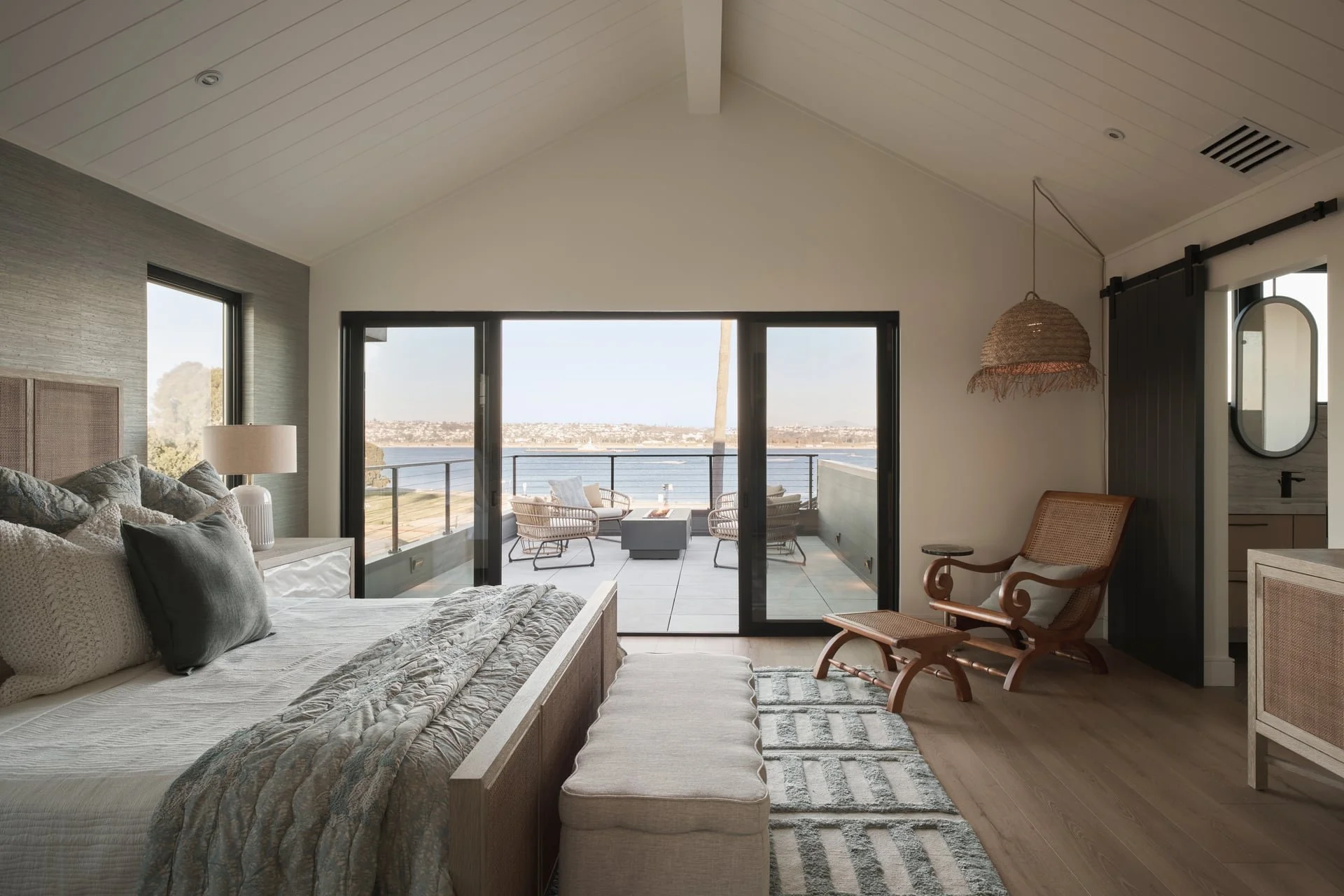
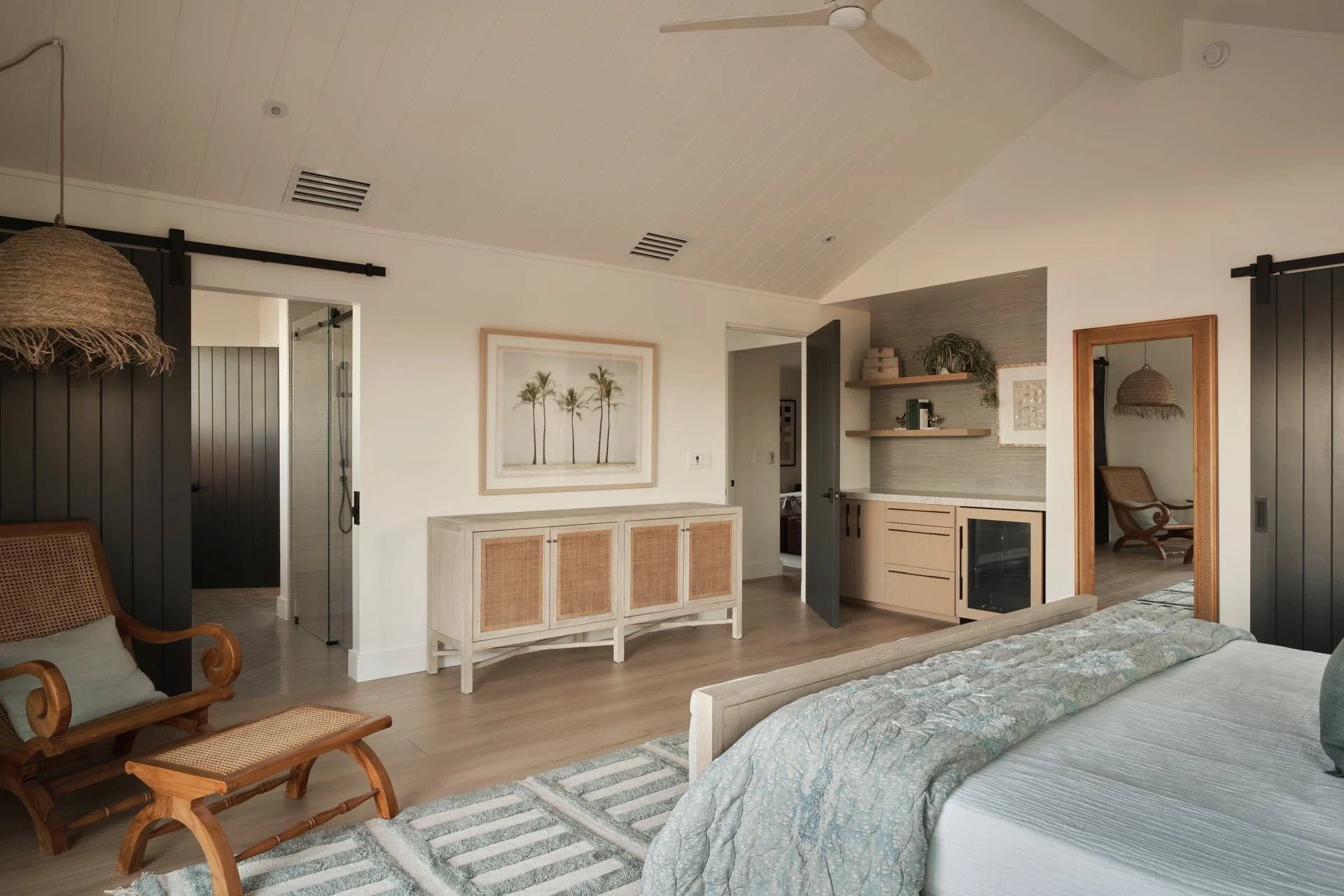
For this project, I frequently stepped back as far as the space allowed and used longer focal lengths. This sometimes meant showing less of the interior, but it allowed the water outside to become much more prominent in the composition.
I also looked for opportunities to create straight-on compositions directed toward the beach. By carefully aligning the camera with the openings and views, I could create photographs that naturally encouraged the viewer to look beyond the interior and toward the surrounding landscape.
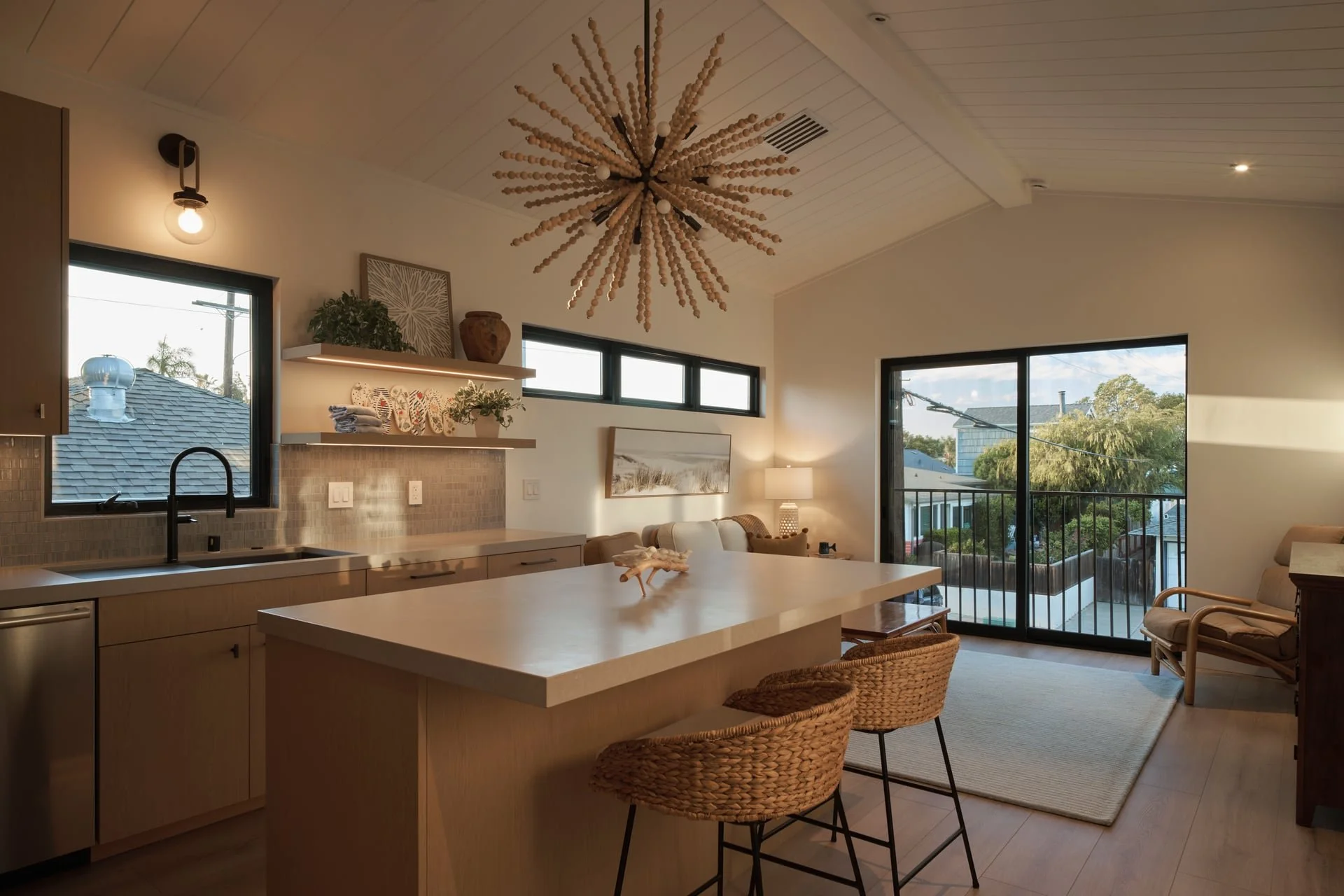
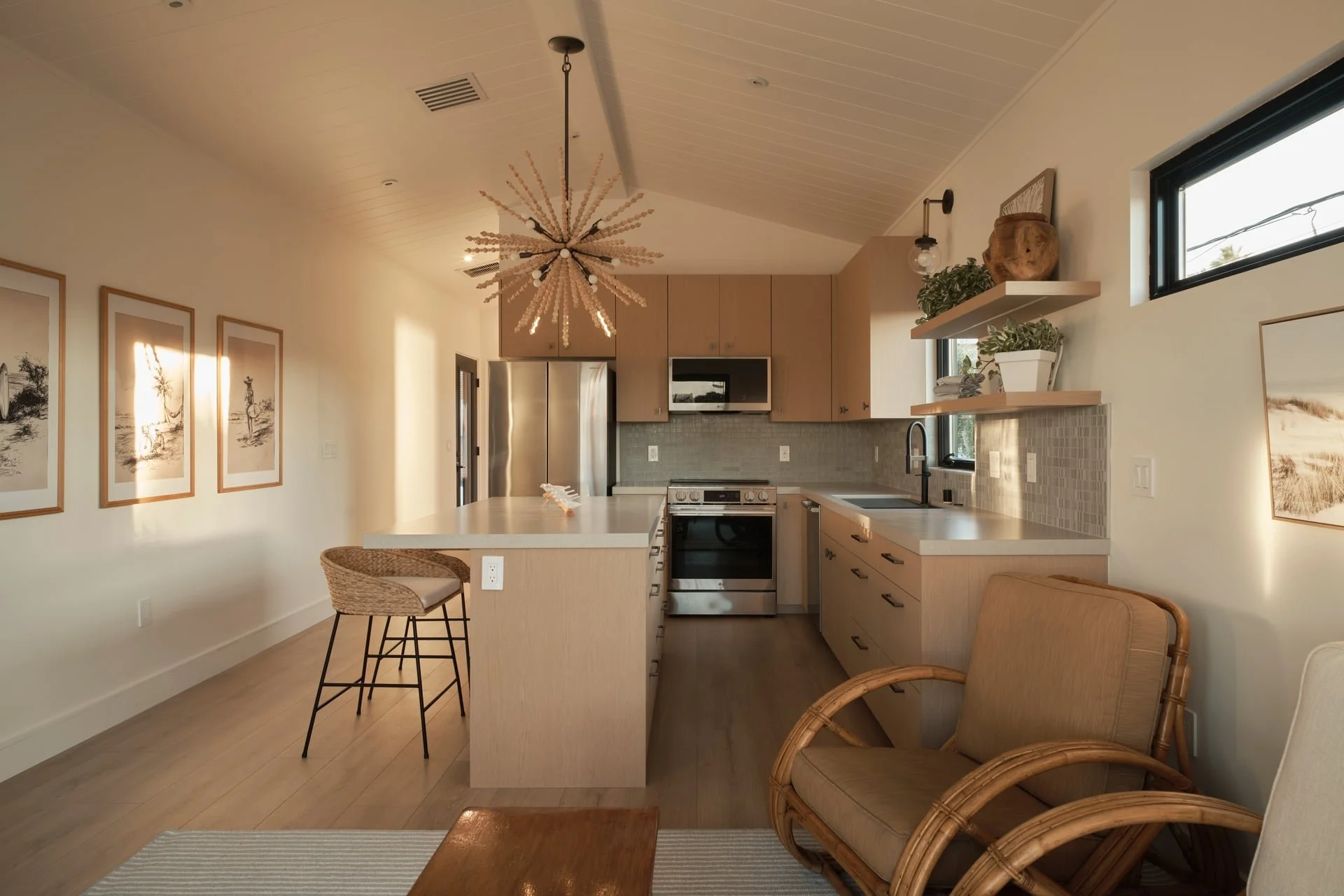
Directing the Viewer's Attention
Composition is only one part of how I approach a photograph. Light, contrast, and even the presence of people can have a significant influence on where someone's eye travels within an image.
Throughout this project, I occasionally made the decision to leave people visible on the beach. While it might be tempting to wait for a completely empty exterior, I find that the presence of people can actually strengthen certain architectural photographs. Our eyes are naturally drawn to human activity, and in this case, those small moments helped connect the interior to the life happening just beyond it.
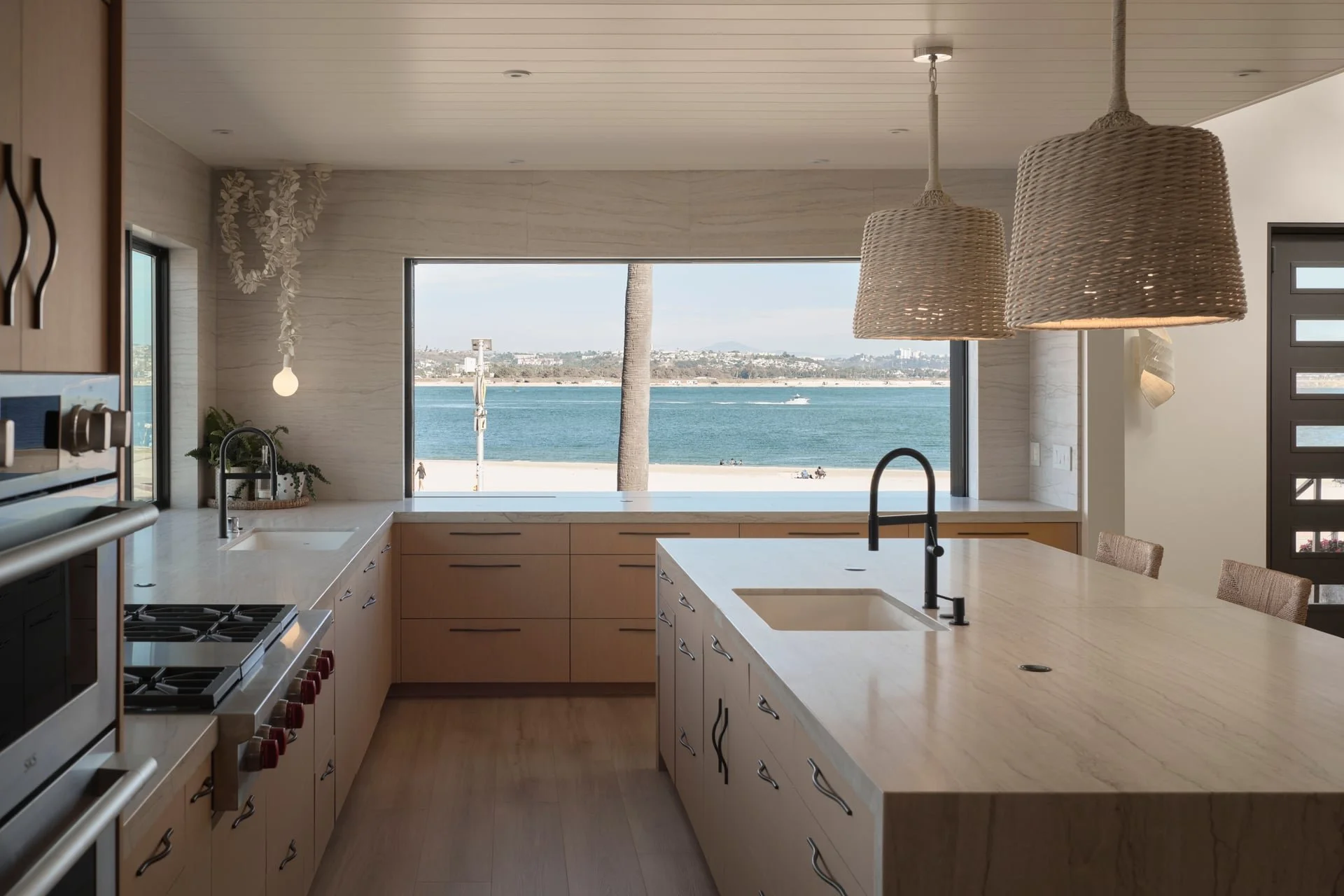
I also paid close attention to the relationship between interior and exterior brightness. In several photographs, I intentionally allowed the interior to remain slightly darker while keeping the exterior brighter. The eye naturally gravitates toward brighter areas of an image, making this another useful way to draw attention toward the water.
Individually, these choices might seem relatively subtle. Together, they helped establish a consistent visual direction throughout the project, one that repeatedly connected the interior spaces to their surroundings.
Knowing When to Use a Drone
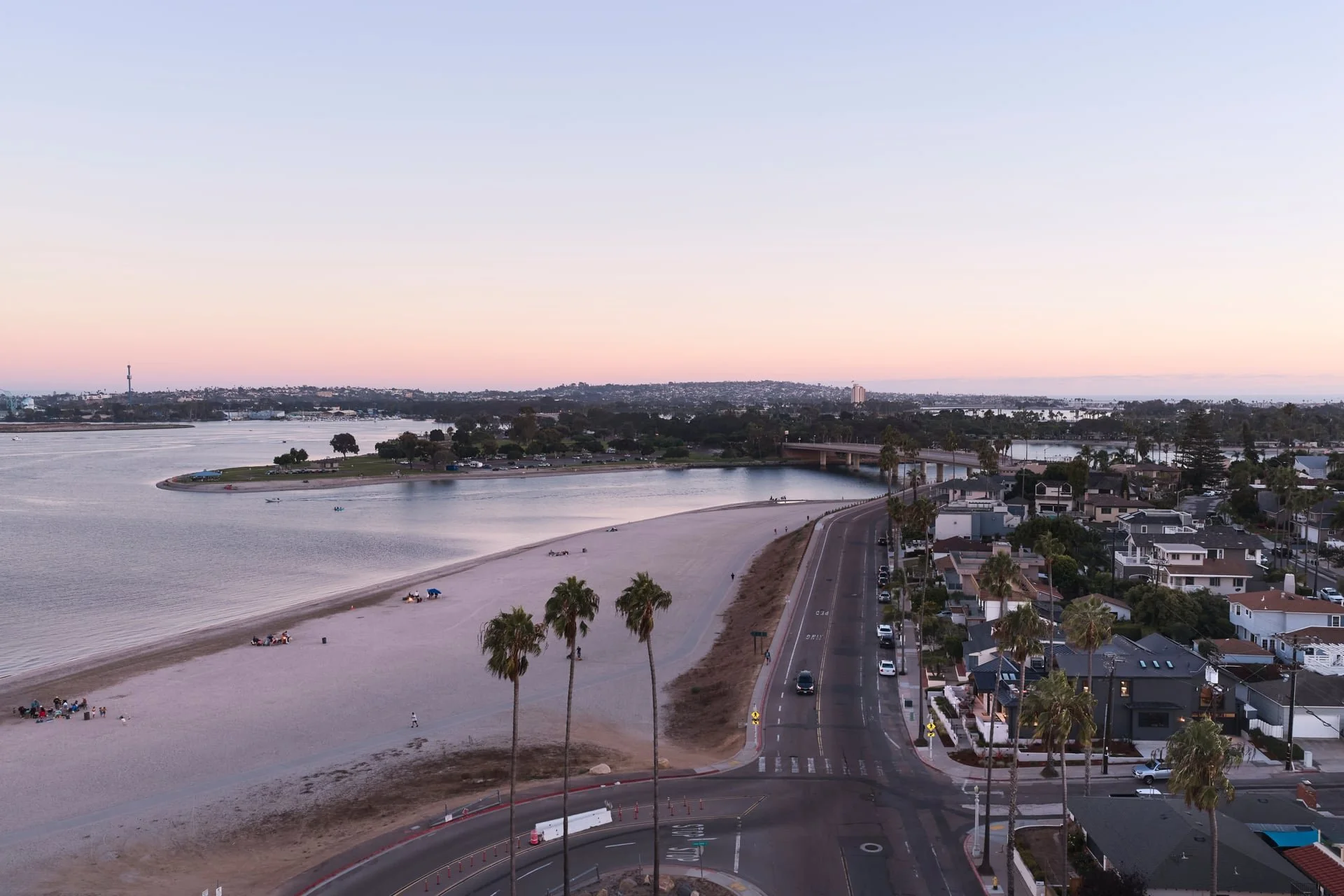
Although I incorporate aerial photography into many of my projects, I'm not particularly interested in using a drone simply because one is available. I believe aerial photography should serve a specific purpose and accomplish something that would otherwise be difficult or impossible to communicate from the ground.
This property was a particularly good example of where aerial photography made sense.
From the ground, it was possible to communicate the relationship between the interior and the immediate beach environment. However, stepping back and getting above the property allowed me to show a much broader perspective of its location.
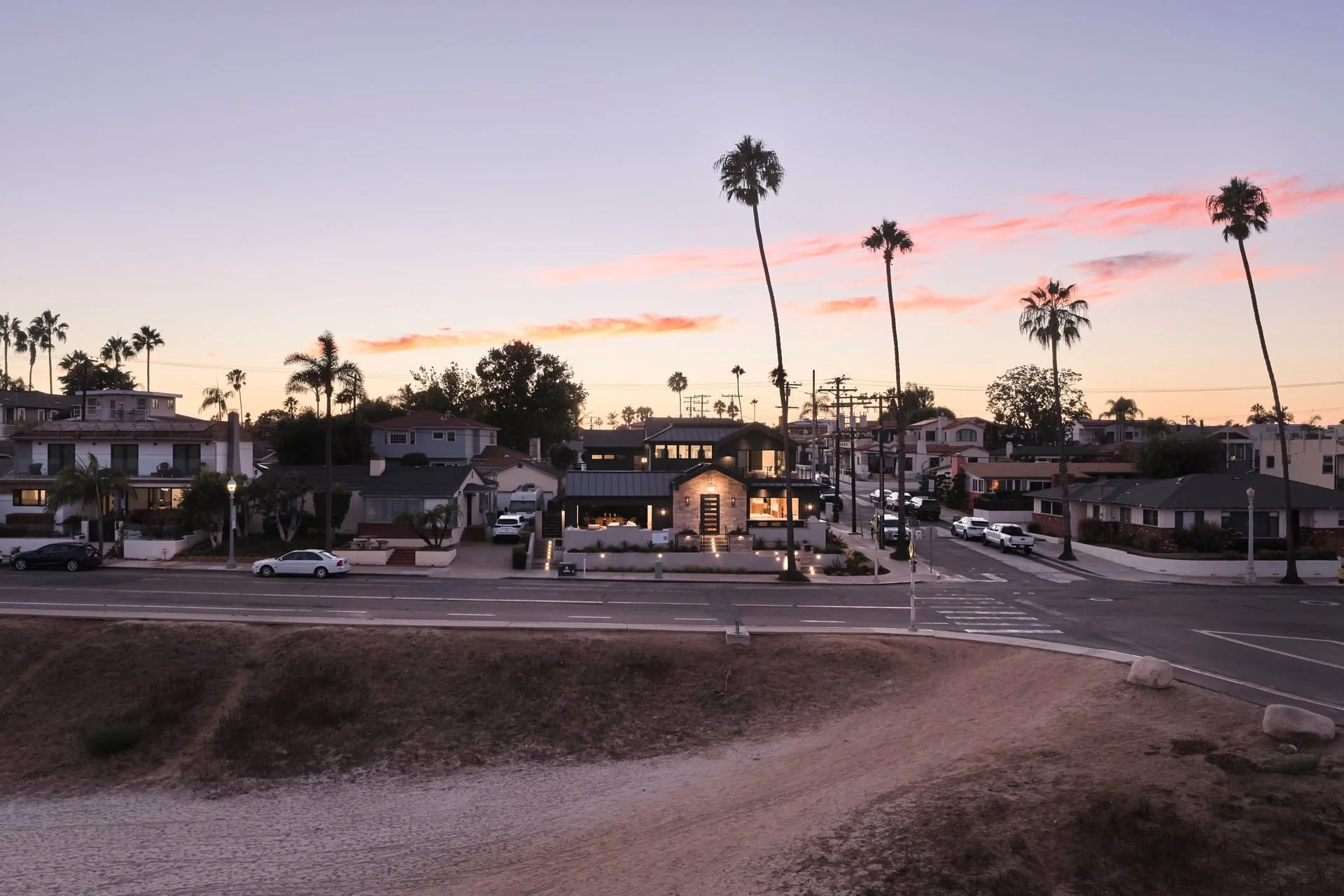
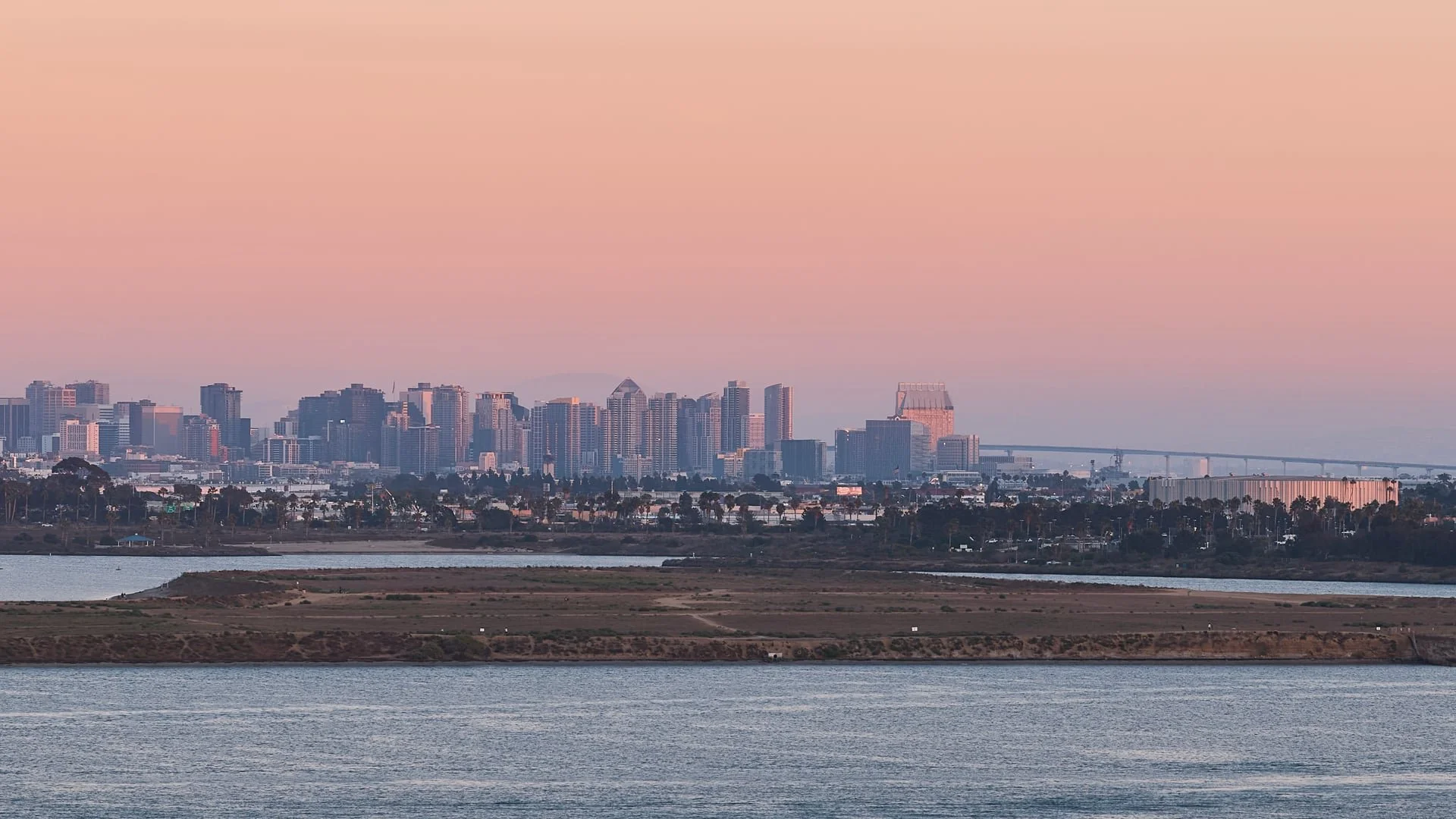
The aerial photographs helped establish the home's relationship to the coastline and the greater San Diego area. In one composition, I was even able to incorporate SeaWorld into the frame, giving the viewer another point of reference and helping establish the property's sense of place.
For me, that's where drone photography becomes valuable. It's not about adding another aerial image to a gallery. It's about using a different perspective to communicate something important about the project.
I explore this philosophy in more detail in my article about When to use drone photography in architectural photography.
Photographing More Than Just the Architecture
Ultimately, my approach to photographing a project comes down to understanding what makes it distinct and finding ways to communicate that through the images.
Every property has its own priorities. Sometimes the most important elements are the materials, the relationship between rooms, or the way natural light moves through a space. Other times, as with this Crown Point home, the surrounding environment becomes just as important as the architecture itself.
I want the finished photographs to do more than show someone what a property looks like. I want them to communicate why the spaces were designed the way they were, what makes them interesting, and how someone might experience them.
For this project, that meant continually looking for ways to bring the beach into the photographs, even when I was standing entirely within the home. It's a reminder that good architectural photography isn't necessarily about showing more. It's about recognizing what matters most and making sure the viewer sees it.
